Fine Art Workshop
5 Min Read
What It Means to Develop a Visual Language in Photography
Ivan Mijatović
Visual Artist & Founder
Language is a system for communicating meaning. A person who speaks a language fluently does not just know the words. They know how to construct a sentence that says exactly what they mean, in a way that another person understands.
Visual language works the same way. In photography, it is the ability to use light, composition, color, and form to express a specific idea with precision. A photographer who has developed a visual language does not just take pictures. They make images that say something particular, in a way that is recognizably theirs.
The difference between aesthetics and style
Aesthetics is not only how something looks. It is how what we observe acts on us. It reveals how a photographer sees, not just what they see. It is a visual character.
Style, in the superficial sense, can be copied. A color palette, a focal length, a way of framing subjects can all be imitated. Visual language cannot be imitated because it grows from the inside out. It is the result of a specific person developing a specific way of seeing the world and learning to translate that into images.
When a photographer finds their aesthetics, they find their visual voice.
The building blocks
A visual language is built from the same tools that all photography uses: composition, light, color, and form. The difference is in how those tools are used.
In photography without a visual language, these elements are applied correctly. Composition follows established rules. Light is controlled for technical accuracy. Color is balanced or graded according to convention. The result is competent work with no particular point of view.
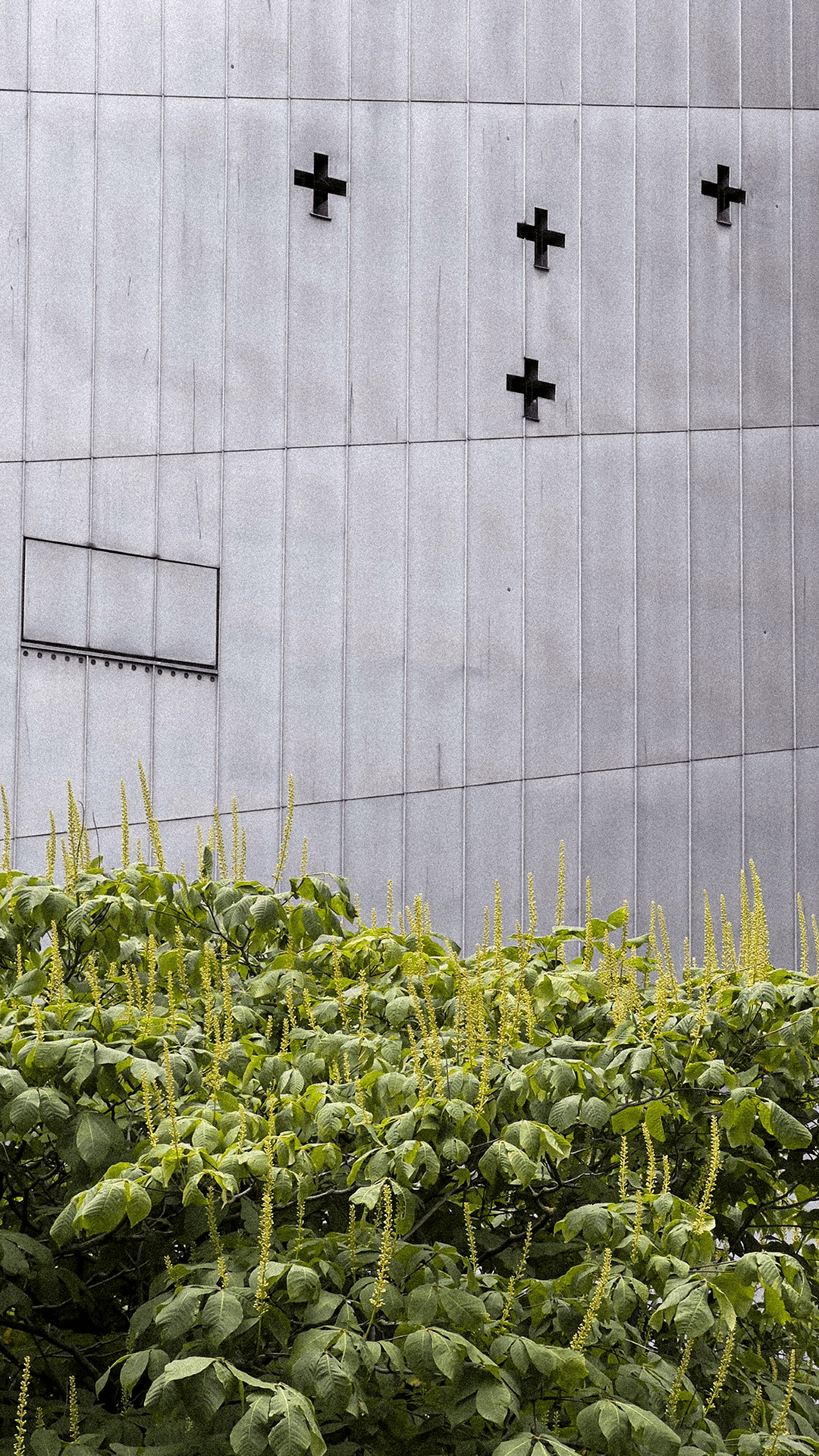
In photography with a visual language, every element serves an idea. Composition is used to create a specific relationship between subjects. Light is used to direct attention and establish atmosphere. Color carries emotional temperature. Nothing in the frame is accidental. Every decision communicates something.
How a visual language develops
It does not develop through technique alone. Technical skill is the foundation, the vocabulary. But a vocabulary is not yet a language.
A visual language develops through three parallel processes. The first is building taste, consuming a wide range of visual work across photography, painting, film, and other disciplines, and developing the ability to understand why something works, not just that it does. The second is identifying a personal perspective, understanding what recurring ideas, feelings, and observations keep appearing in the images a photographer is drawn to make. The third is learning to use technical tools in service of that perspective, translating an inner world into visual form with increasing precision.
None of these processes has a fixed endpoint. A visual language is not something that is finished. It is something that deepens.
Why it matters
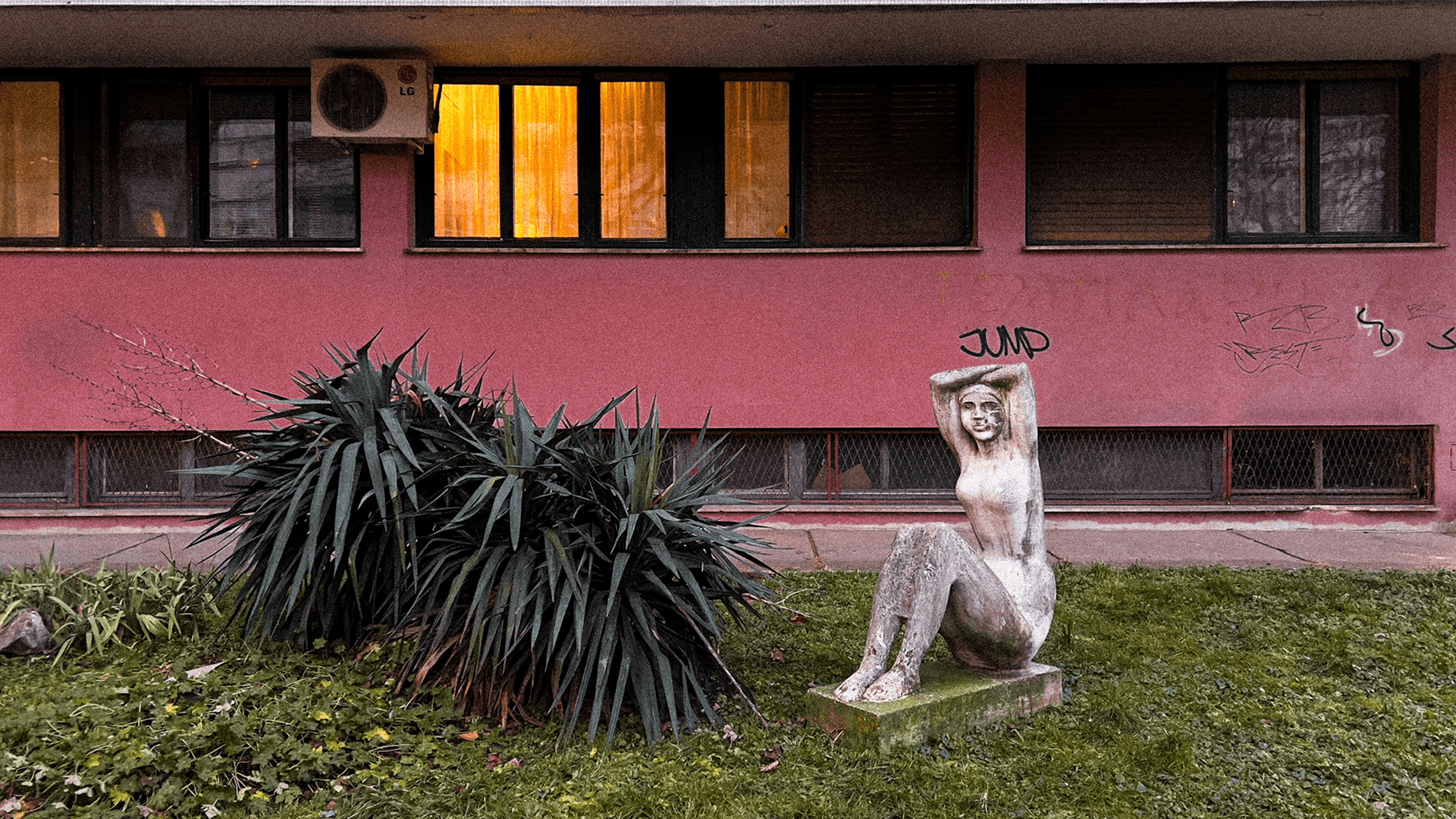
A photographer without a visual language can produce technically correct images indefinitely. A photographer with one makes work that carries something real, something another person can recognize and feel.
The development of a visual language is the central work of serious photography. It is what separates a body of work from a collection of images.
Photography by
Ivan Mijatović
Learn more
Fine art workshop · Belgrade
Three months.
Six participants.
Continue reading