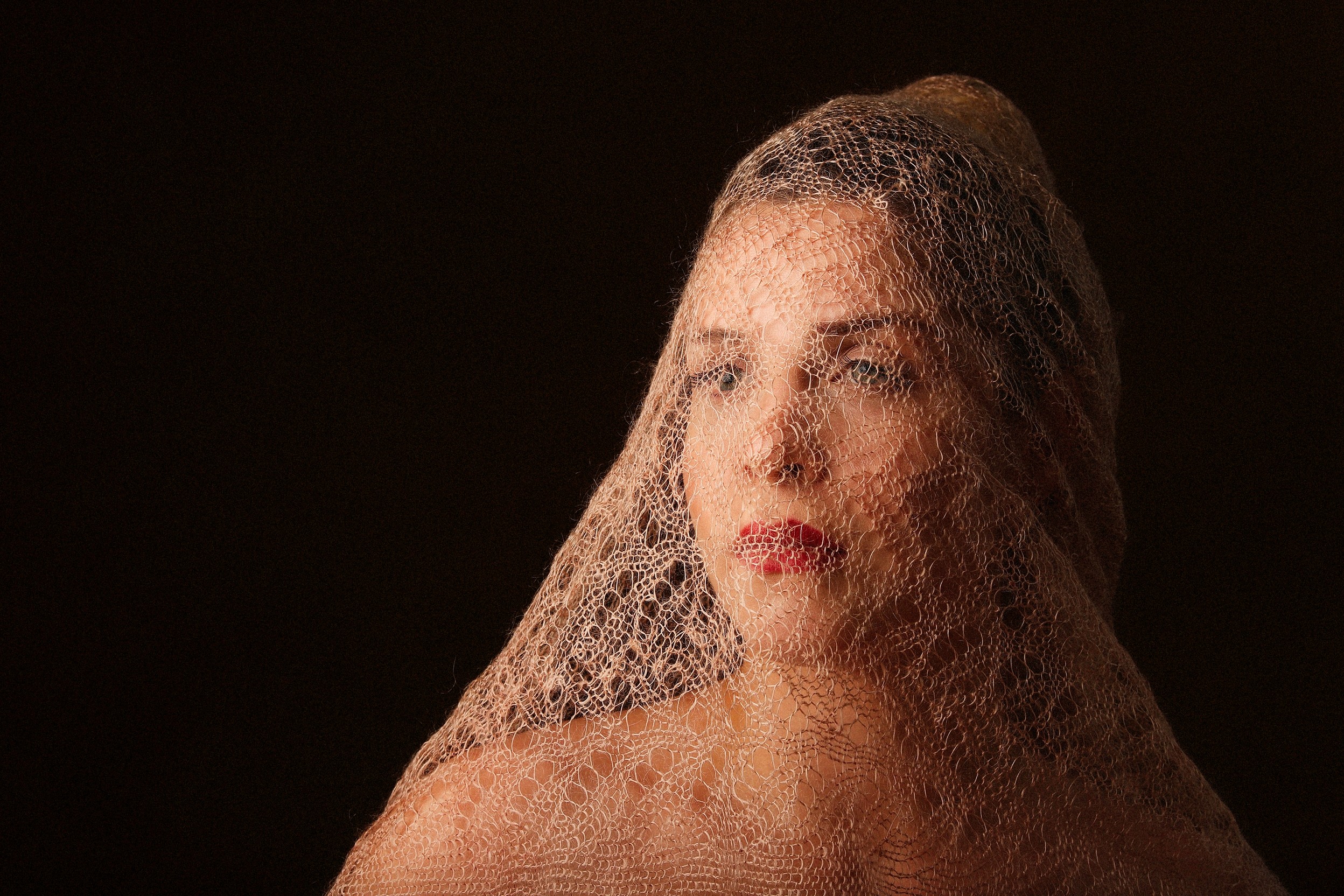
Fine Art Portrait
5 Min Read
What Is Fine Art Portrait and How It Differs from Classic Portrait Photography
Ivan Mijatović
Visual Artist & Founder
A portrait is, at its most basic, a photograph of a person. This definition covers an enormous range of work, from passport photographs to commissioned studio sessions to images that have hung in galleries for decades. The word portrait describes all of them equally and explains almost nothing about any of them.
The distinction that matters is not technical. It is a question of purpose. What is the photograph for, and what does it try to show?
What classic portrait photography does
Classic portrait photography documents a person's appearance. It produces a likeness. It shows how someone looks at a particular moment in time, and it does that well. The subject is recognizable. The light is flattering. The composition is balanced. The result is a competent record of an external reality.
There is nothing wrong with this. It serves a clear purpose. What it does not do is show what cannot be seen from the outside.
What Fine Art Portrait does
Fine Art Portrait is concerned with the interior. It attempts to show something about the psychological or emotional reality of the person in front of the camera, not the surface they present to the world, but the inner life that exists beneath it.
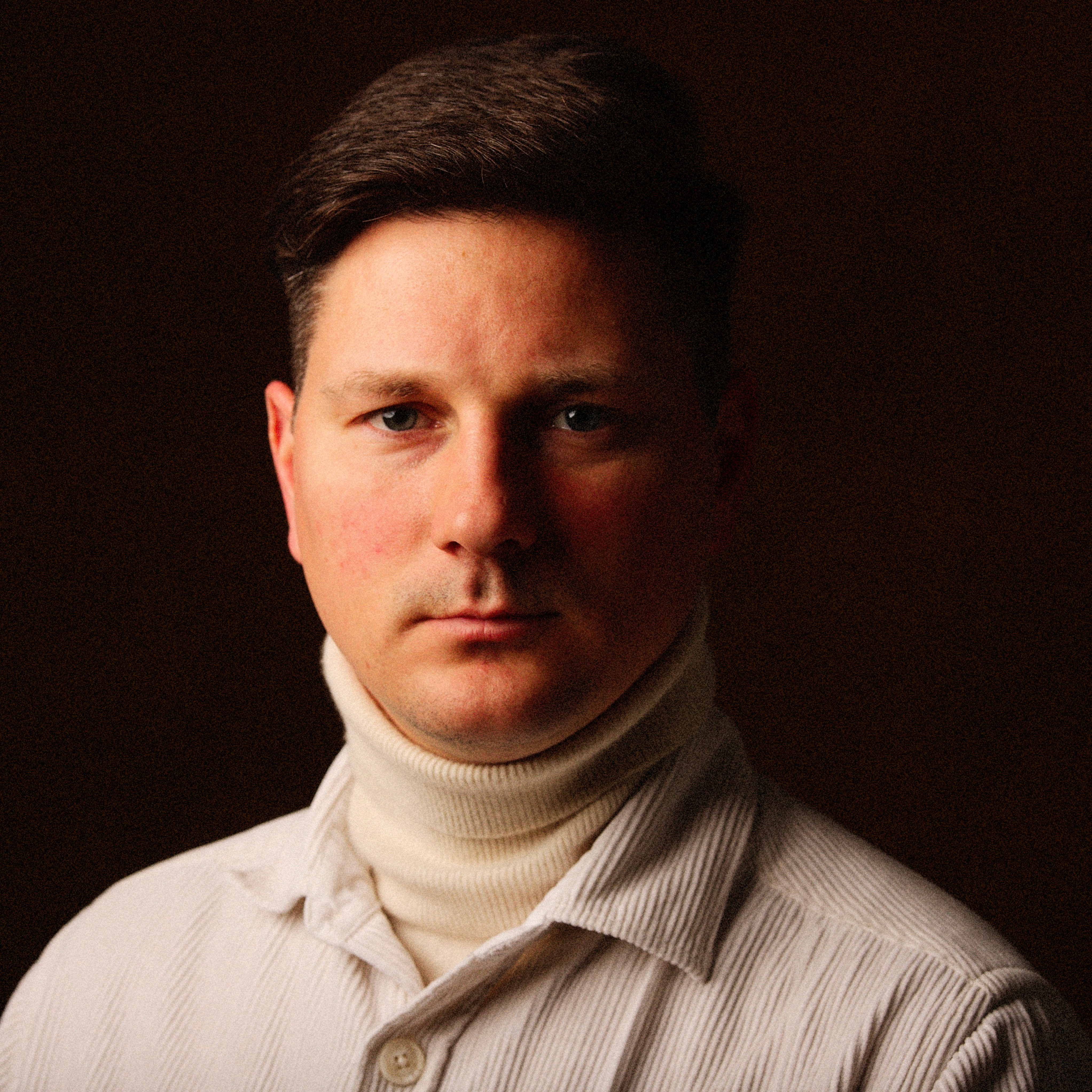
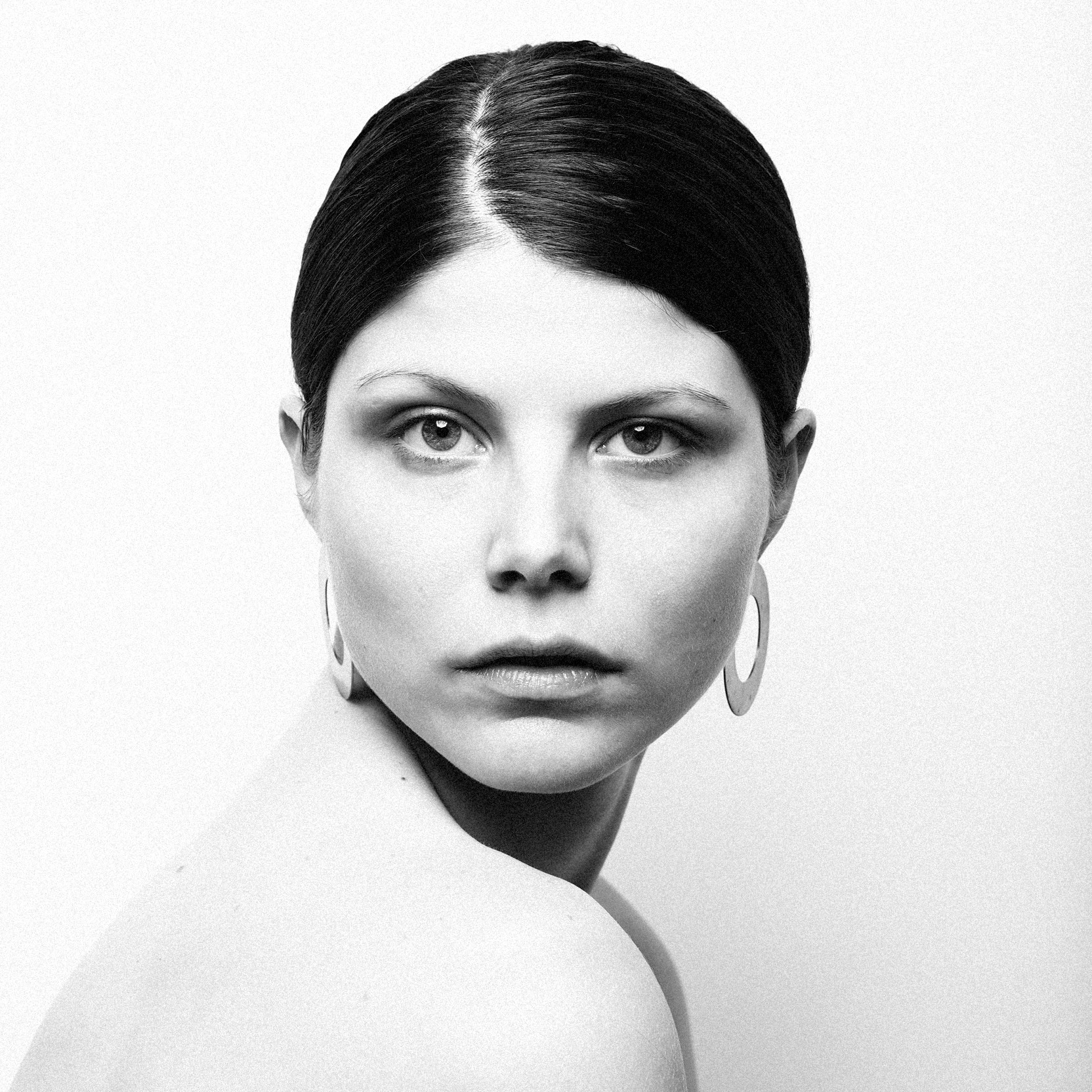
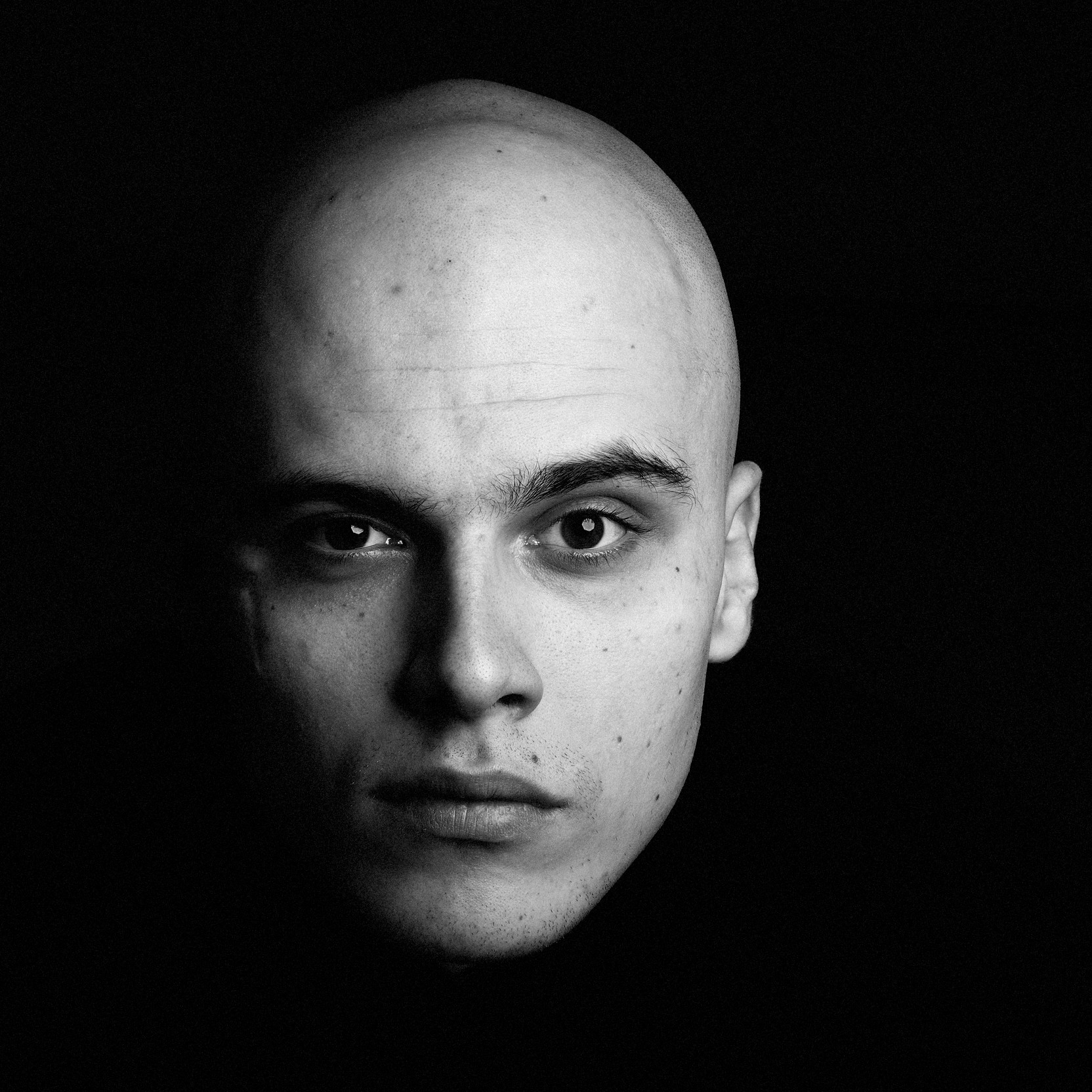
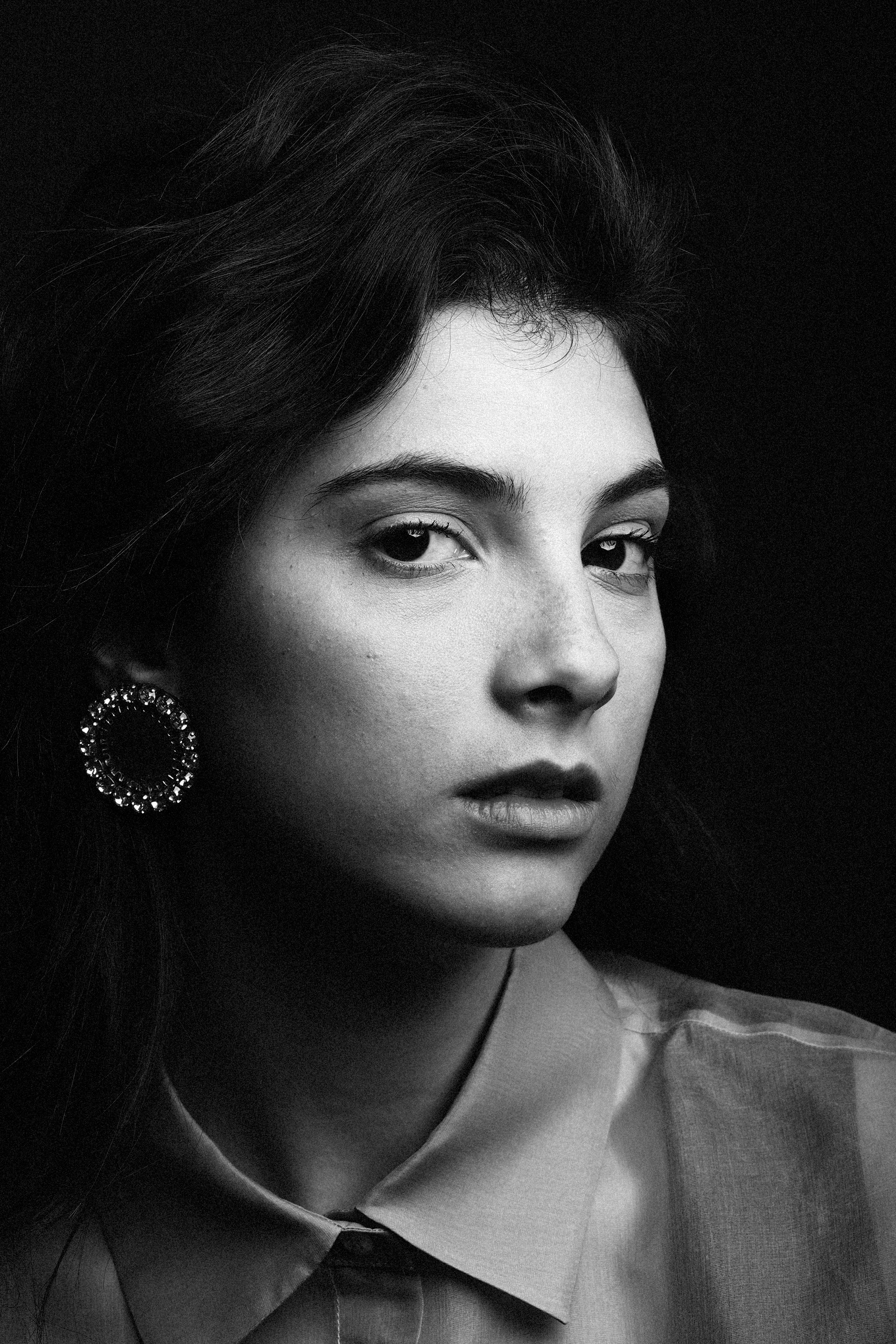
In the series Inner Constellations, every unnecessary element was removed so that the viewer's attention could be directed toward what is not physically visible. Color was eliminated. Backgrounds were cleared. Clothing was chosen to be timeless, impossible to place in a specific decade. What remained was posture, light, and the subtle expressions that surface when a person is fully present and has nowhere to hide.
The goal was not to show how these people look. It was to show the inner constellations, the psychological structures and emotional states that a person carries without always knowing it.
The process
The difference between Fine Art Portrait and a classic portrait is also a difference in process. A classic portrait session is often short, efficient, and aimed at producing a technically correct result. The subject performs a version of themselves that they have rehearsed.
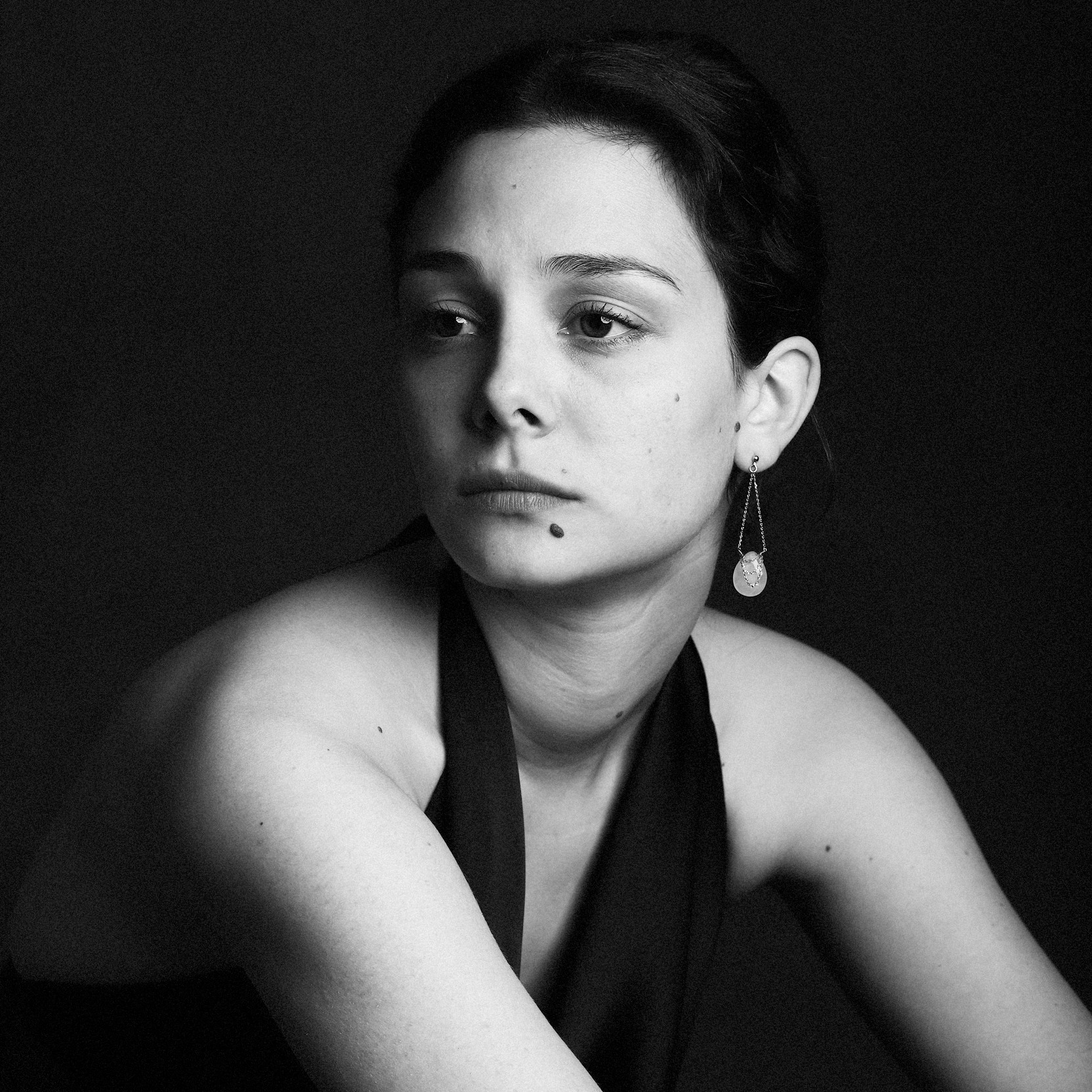
Fine Art Portrait session is something else. It is closer to a psychological encounter than a photographic one. The process requires building trust over several hours, allowing the subject to move through the performed version of themselves and into something more unguarded. Emotional releases happen during that process, through laughter, discomfort, silence, pauses. The physical appearance changes as the session progresses. Posture shifts. Expression becomes less controlled. The face that emerges in the final frames is rarely the face the person arrived with.
The visual decisions
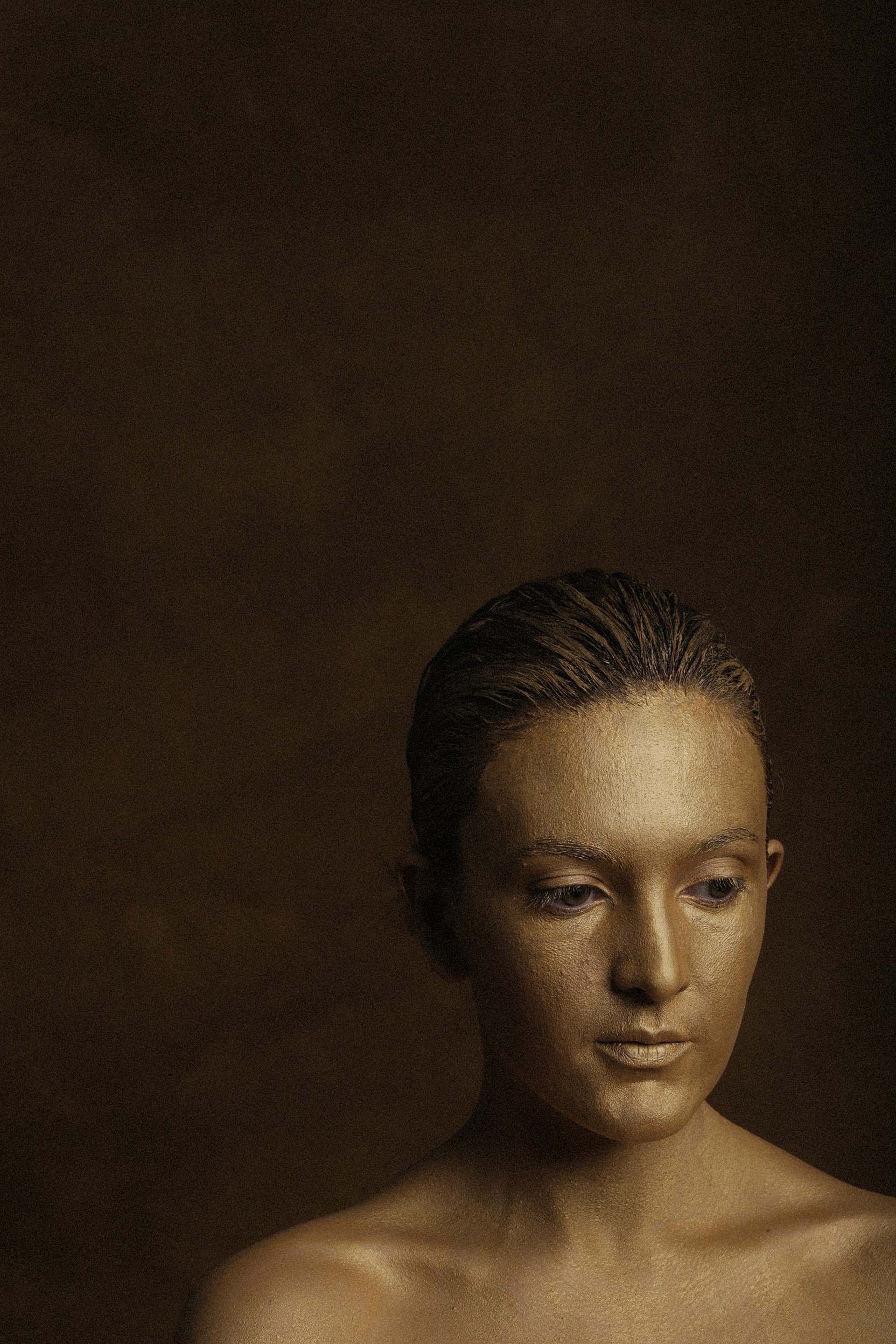
In Fine Art Portrait, every visual decision is made in service of the idea. Light is used not to flatter but to reveal. Composition references historical traditions, Renaissance structure, Baroque use of shadow, not as aesthetic choices but as tools for creating a specific psychological atmosphere. Close framing eliminates context and forces the viewer's attention onto the person.
The result is a photograph that communicates something real about who a person is, not who they want to be seen as.
Why this distinction matters
A person who commissions a classic portrait wants to be documented. A person who sits for Fine Art Portrait wants to be understood. These are fundamentally different requests, and they require fundamentally different photographers.
Fine Art Portrait does not begin with the camera. It begins with the question of what this person carries inside them that a photograph might be able to show. Everything that follows, the light, the composition, the hours of process, is in service of that question.
Photography by
Ivan Mijatović
Learn more
Fine art Portrait · Belgrade
Made for one.
Continue reading