Master Class
5 Min Read
How Light Defines the Character of a Portrait
Ivan Mijatović
Visual Artist & Founder
Light is not a technical variable in portrait photography. It is the primary tool for determining what a portrait says. Two photographs of the same person, made in the same space with the same camera, will produce fundamentally different results if the light changes. Not because the person has changed, but because light does not simply illuminate. It reveals, conceals, shapes, and directs.
Understanding this is the difference between using light correctly and using it with intention.
What light does to a face
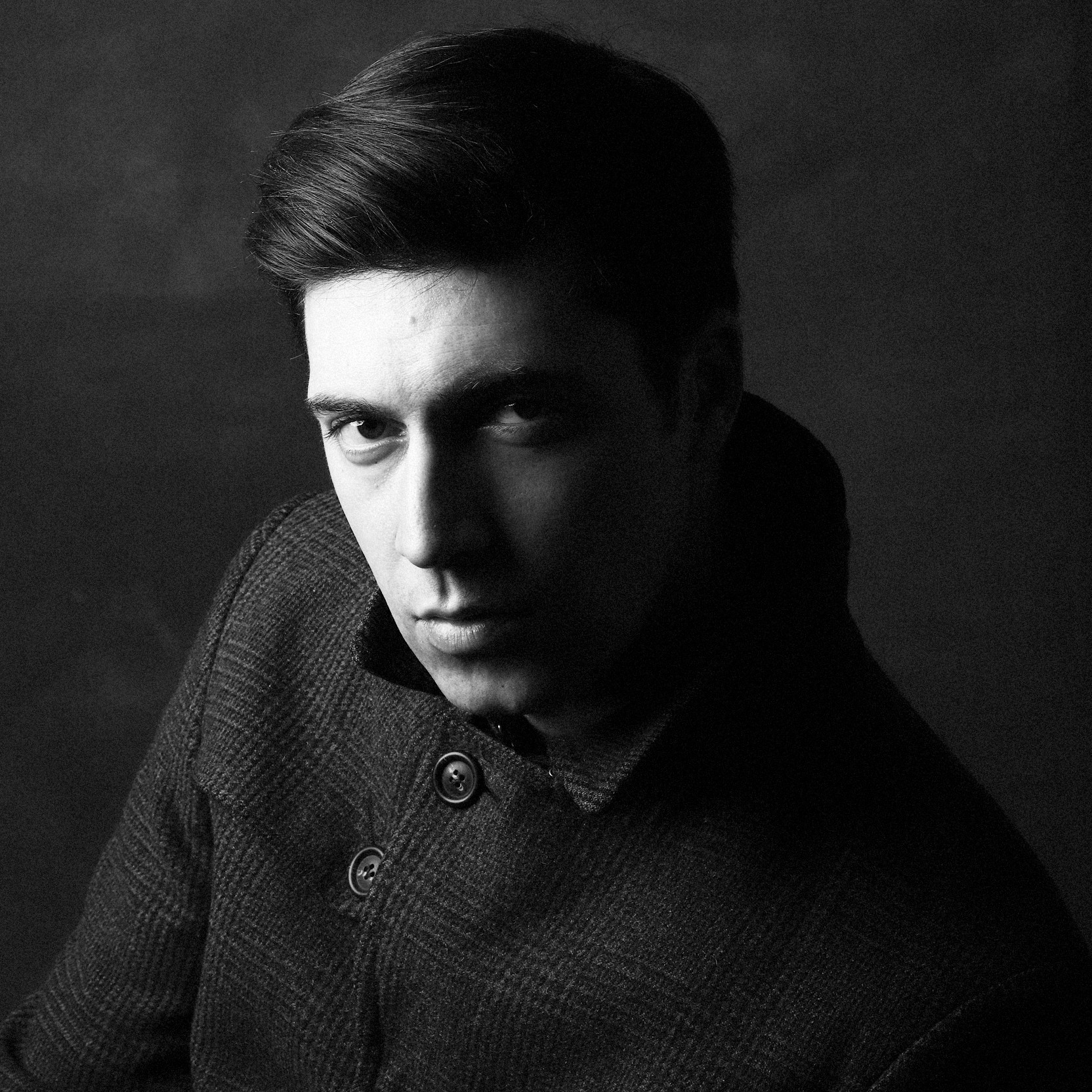
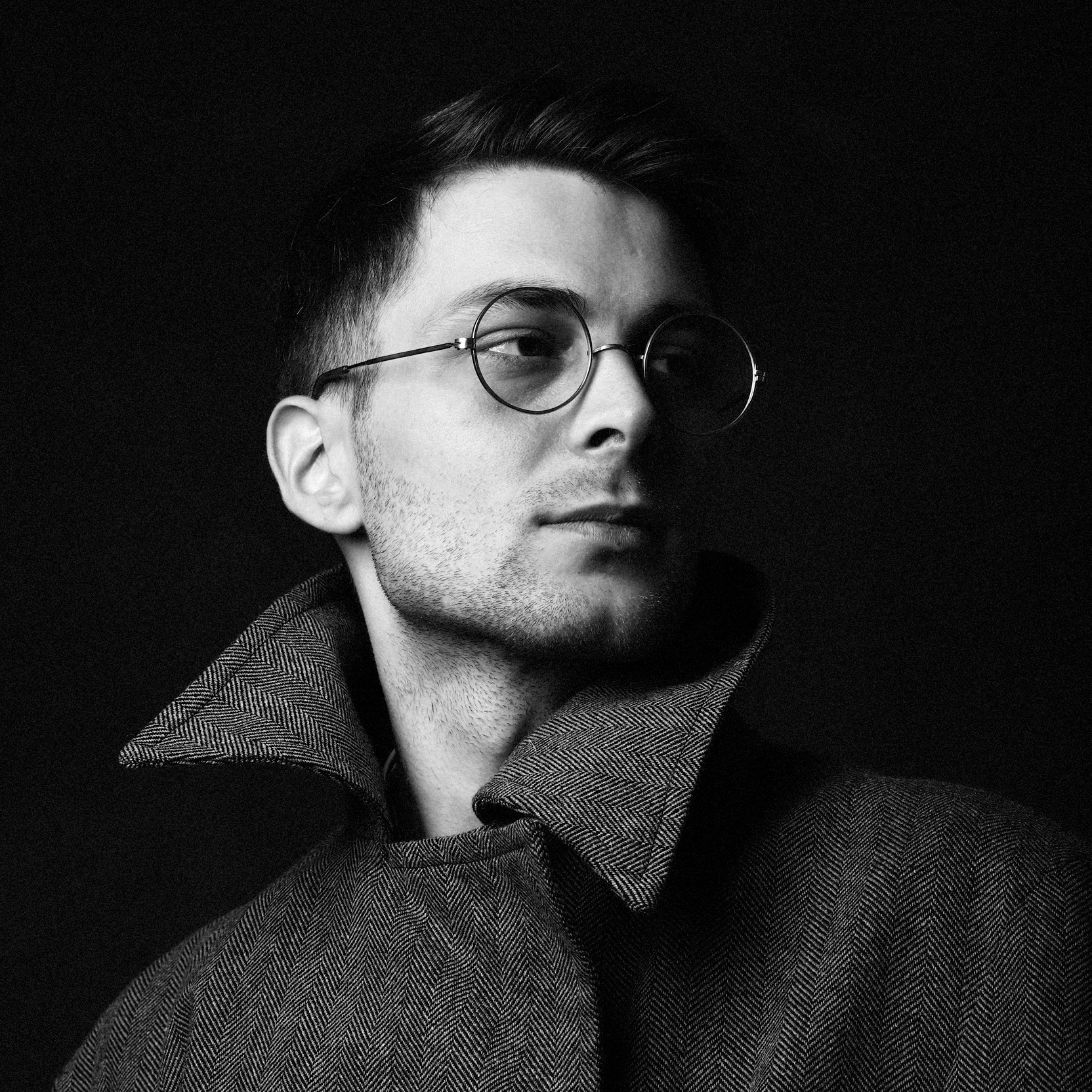
Direct light comes straight from its source and produces hard shadows, high contrast, and sharp edges. It is unforgiving in the sense that it shows everything equally, the structure of the face, the texture of the skin, the tension in the jaw. It can create drama, but it can also flatten a person into a surface.
Diffuse light passes through a cloud, a curtain, a reflective surface, or a large window before it reaches the subject. It produces soft shadows and an even tone. It is not neutral. It is a specific kind of light that removes drama and replaces it with something closer to intimacy.
The size of the light source determines the quality of the shadow. A large source produces soft transitions. A small source produces hard ones. The distance of the source from the subject determines its intensity. These are not corrections to be made after the fact. They are decisions to be made before the shutter.
Light and shadow as composition
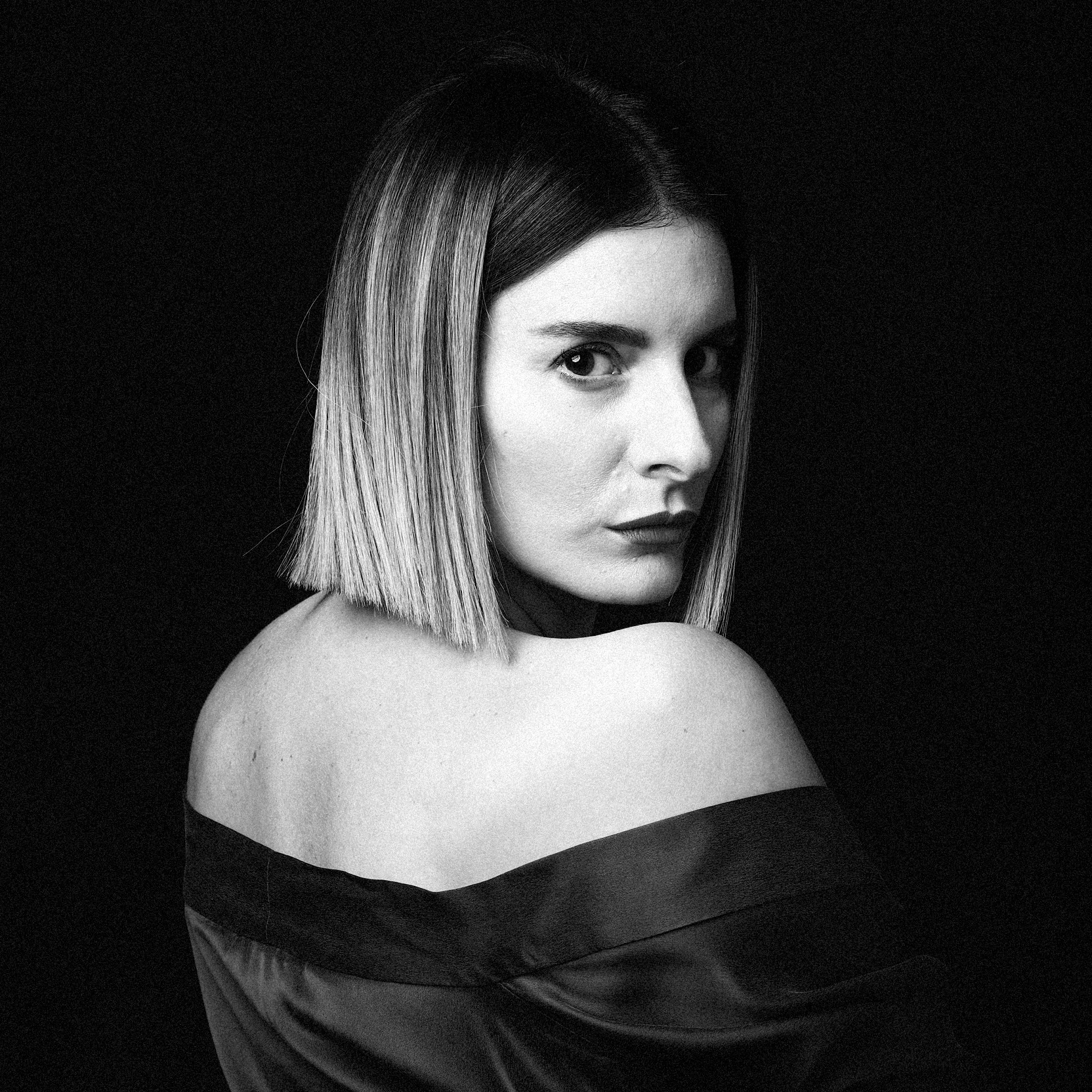
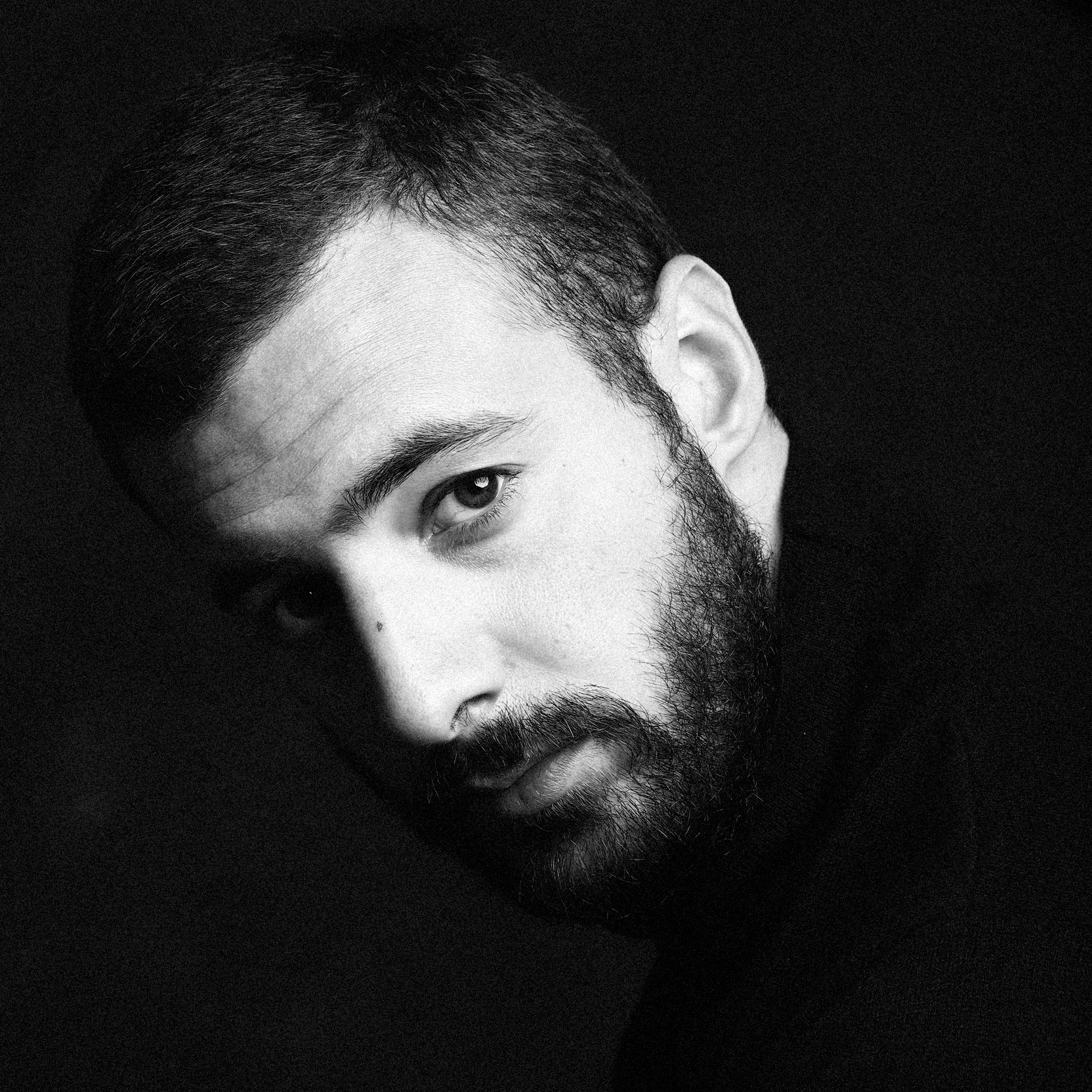
Shadow is not the absence of light. It is part of the image with the same compositional weight as anything else in the frame. Shadow defines the shape of a face by showing where the face ends and space begins. Shadow builds depth by separating the subject from the background. Shadow can function as a compositional element in its own right, a form that occupies space, creates rhythm, and directs the viewer's eye.
The greater the contrast between light and shadow, the stronger the visual focus and the more dramatic the result. A lower contrast produces a quieter, more measured image. Neither is correct. Both are tools. The question is always what the portrait needs to say, and which quality of light serves that.
The historical reference
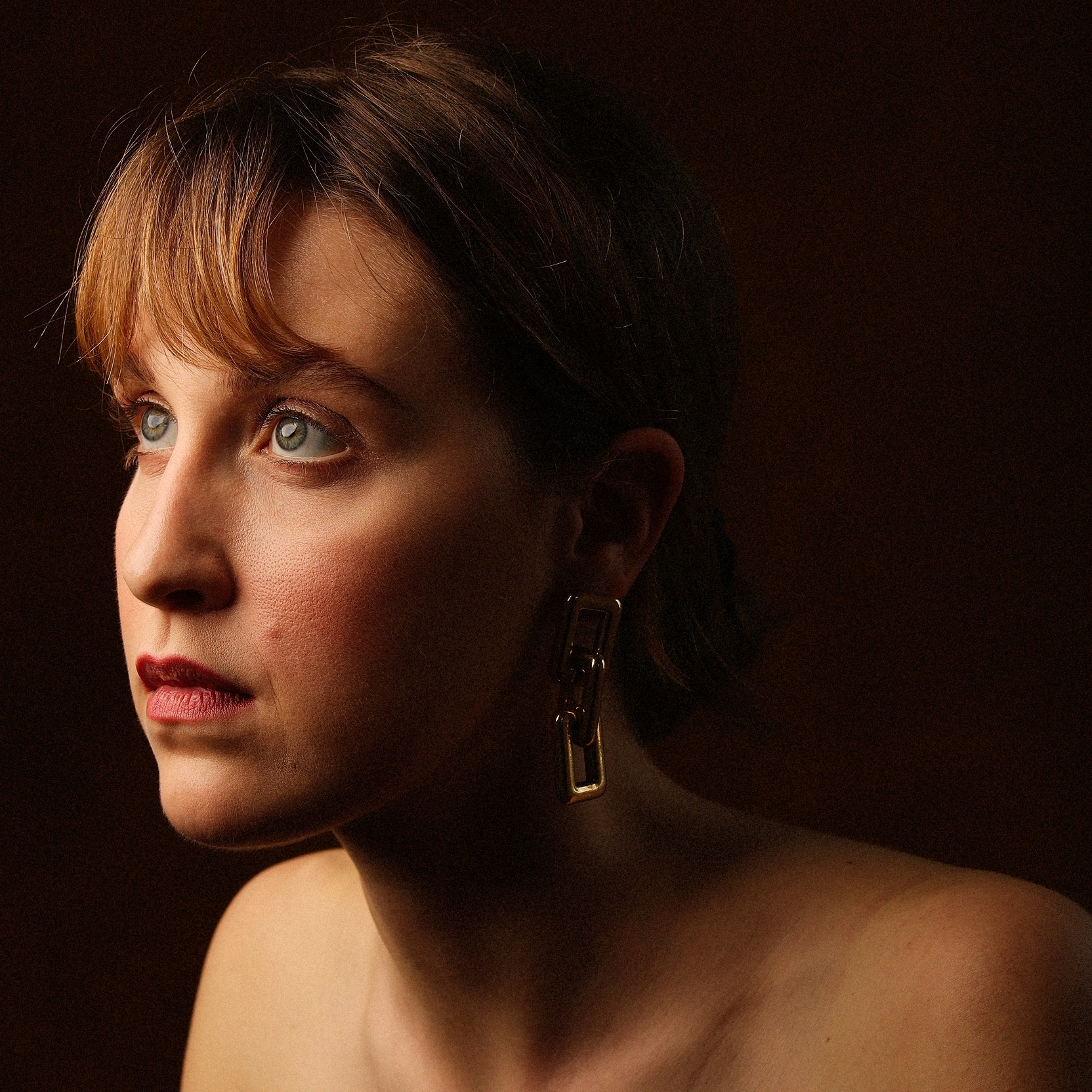
Baroque painters understood this with a precision that has not been surpassed. Rembrandt placed his subjects at the edge of darkness, allowing light to fall on only part of the face, so that what was illuminated felt chosen, significant, earned. The shadow was not background. It was context, the darkness from which the person emerged.
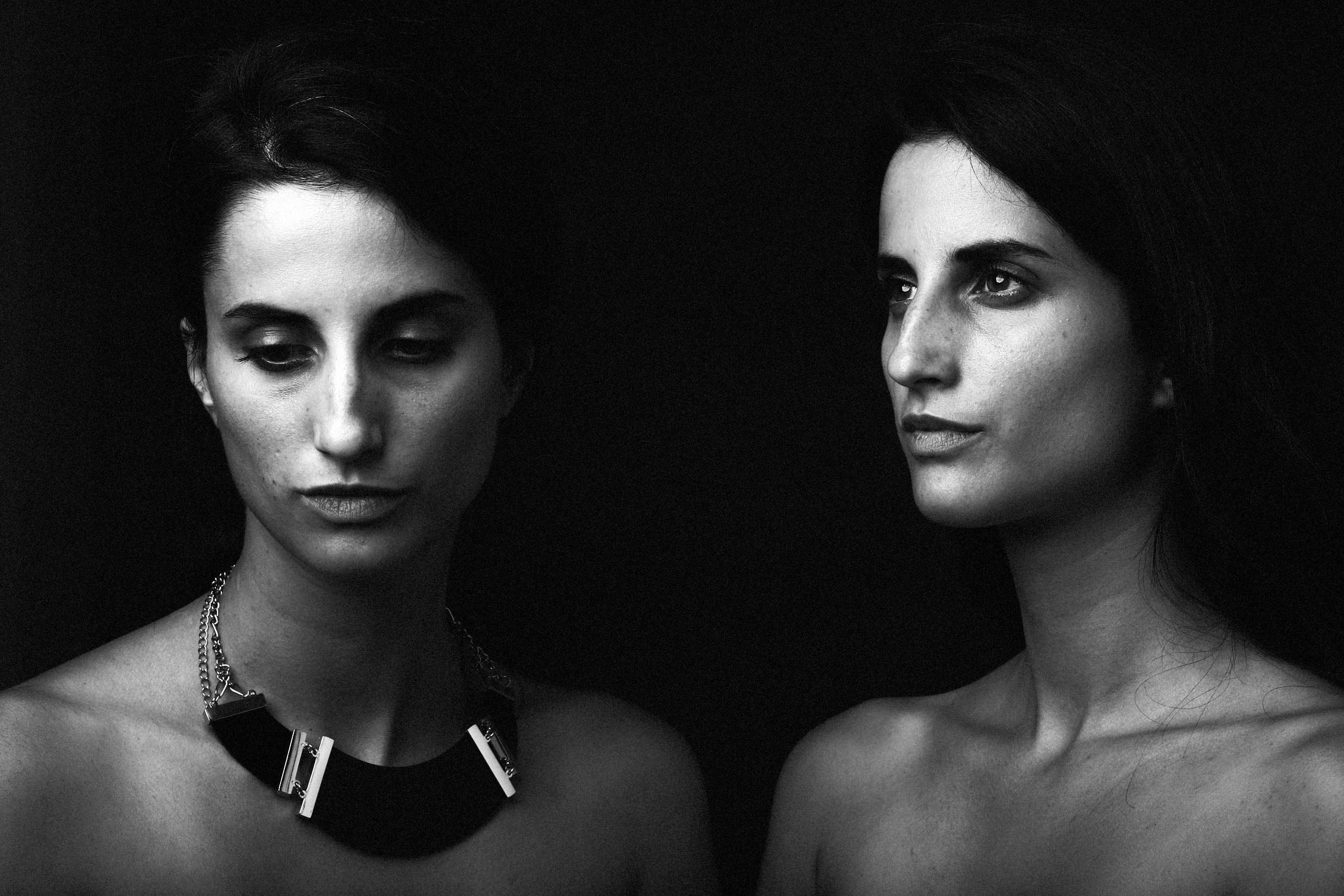
In the series Inner Constellations, this approach was applied directly. Baroque light was used not as a stylistic reference but as a functional decision. The subjects were photographed in a way that directed attention toward what is not physically visible, the inner life rather than the outer appearance. Shadow removed what was not essential. Light concentrated the viewer's attention on what remained.
Warm and cold light
The color temperature of light changes the emotional register of a portrait. Warm light, the gold of late afternoon, of tungsten lamps, of candlelight, creates a sense of proximity and intimacy. It places the subject in a human context. Cold light, the blue of overcast skies, of shade, of early morning, creates distance and clarity. It places the subject in a different kind of space, one that is less comfortable and more honest.
Neither temperature is more truthful than the other. Both are interpretations. The photographer who understands this chooses the temperature that serves the portrait rather than accepting whatever light happens to be present.
Why light is always a decision
A portrait made without thinking about light is a document. It records what was visible. A portrait made with intention about light is a statement. It shows what the photographer decided to reveal, and what they decided to leave in shadow.
Every other decision in portrait photography, composition, framing, distance, timing, follows from this one. Light comes first because it determines what exists in the image at all.
Photography by
Ivan Mijatović
Learn more
Master Class · Belgrade
One day in the atelier.
Continue reading